

Blog
Greenhouse Orientation: Plan Sunlight, Wind and Everyday Access

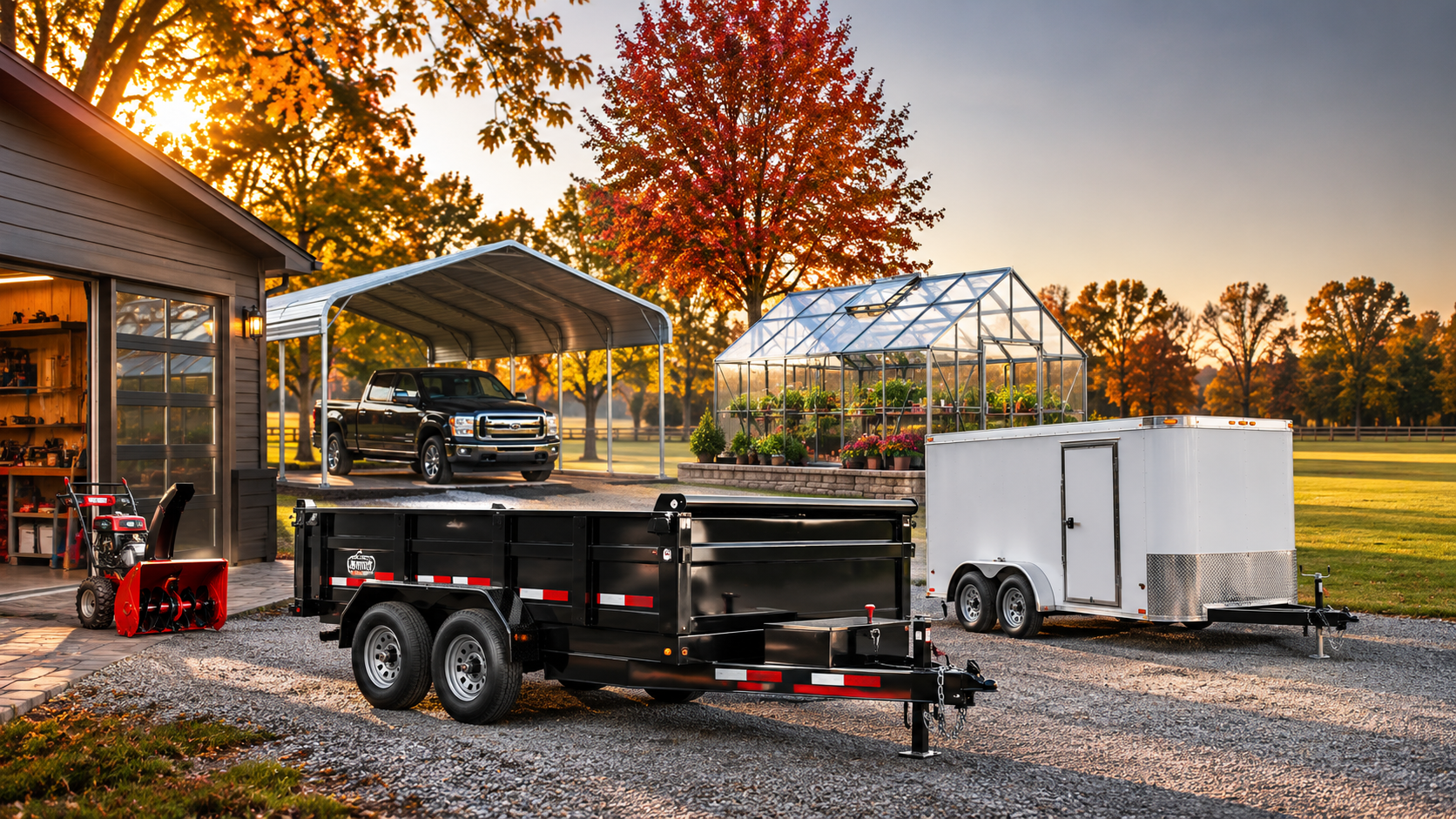
Greenhouse placement affects how much sunlight reaches plants, how the structure handles local weather and how easy it is to use every day. Before assembling a kit, observe the site at different times and consider both seasonal changes and practical access. The ideal position depends on latitude, surrounding buildings and trees, plant choices and the greenhouse design.
Observe the sun through the day
Look at the proposed location in the morning, around midday and in the afternoon. Nearby trees, fences and buildings can cast shadows that move with the season. Use a sun-path app or simple site notes to understand where direct light reaches the ground. Do not assume that an open patch in summer will remain sunny in winter when the sun sits lower.
Consider wind exposure
Open fields and exposed corners may experience stronger gusts than sheltered locations. Check the greenhouse manufacturer’s wind rating and the required anchoring system. Avoid placing the structure where wind funnels between buildings unless the kit maker confirms the site is suitable. Windbreaks may help but should not create dangerous turbulence or block sunlight.
Check drainage and ground level
Choose a level, stable base prepared in accordance with the product instructions. Avoid low spots where rainwater or snowmelt accumulates. Plan where roof runoff will go and make sure it does not undermine the base or flow toward a building. A greenhouse base should not be improvised from uneven blocks or an unapproved surface.
Leave room for daily use
Think about opening doors, carrying pots, bringing in soil and moving equipment. Leave space around the structure for maintenance, gutters and ventilation openings. Check that gates, fences and pathways allow the largest components to reach the assembly area.
Confirm the site before ordering
- Measure the full footprint and the space needed around it.
- Observe seasonal sunlight and shade.
- Identify wind exposure and confirm the kit’s rating.
- Plan a suitable base and drainage path.
- Check access for assembly and daily work.
Armley’s greenhouse kits vary in footprint and design. Compare the exact dimensions, panel type and anchoring requirements before selecting a model.
Plan for seasonal shade and changing access
Tree shade, neighboring buildings and fences can change their effect through the year as the sun’s angle moves. A site that looks bright during one visit may be shaded in the morning or during the shorter days of winter. Observe the location more than once, or use a sun-path tool for the region, before committing to a permanent base.
Do not place the greenhouse so close to a wall or fence that roof vents cannot open or panels cannot be replaced. Leave space for ladders, cleaning and access to fasteners, but do not climb on the frame or glazing. Consider where wind-driven rain and snow drift collect, and check the manufacturer’s anchoring instructions for exposed locations.