

Blog
Greenhouse Thermal Mass: Using Water and Stone to Moderate Temperature

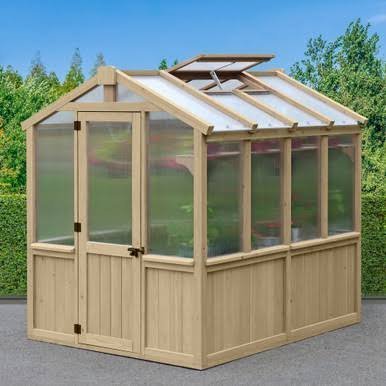
Thermal mass refers to materials that absorb heat when the greenhouse warms and release some of that heat as temperatures fall. Water, stone, brick and concrete can provide thermal mass. They may reduce short-term temperature swings, but they do not replace suitable insulation, ventilation or a properly designed heating system.
How thermal mass works
During sunny periods, exposed materials absorb some of the heat entering the greenhouse. After sunset, those materials release stored heat gradually. The effect depends on the amount of material, its location, how much sunlight reaches it and the greenhouse’s ability to retain warmth. A few small containers may have only a modest influence in a large structure.
Water containers
Water has useful heat-storage properties and can be placed in stable containers along a greenhouse wall or beneath a bench where the manufacturer permits. Use opaque, durable containers that will not leak or block pathways. Keep water away from electrical equipment and avoid positioning heavy containers where they could fall or overload a bench or panel.
Stone, brick and concrete
These materials can absorb heat when exposed to sunlight. A floor or wall made from masonry may contribute thermal mass, but it changes the base and layout of the greenhouse. Do not alter a kit’s foundation or add heavy material against a frame unless the structure is designed for it.
Know the limits
Thermal mass cannot create heat. It stores and releases energy that already entered the greenhouse. On cloudy days or during extended cold periods, stored heat may be limited. Ventilation also needs to remain available, because excess humidity and overheating can harm plants. A temperature monitor can help you understand how the greenhouse changes between day and night.
Plan it safely
- Keep walkways and door swings clear.
- Use stable containers and avoid leaks.
- Do not exceed bench, floor or frame load limits.
- Keep electrical equipment away from water.
- Measure temperatures before and after making changes.
When comparing greenhouse kits, review the frame, glazing and floor requirements. See the Armley greenhouse collection for available sizes and product details.
Measure the effect before adding more mass
Place a temperature sensor near the plants and another where the thermal-mass material will sit. Compare day and night readings over several clear and cloudy days. If the temperature swing does not improve, the limiting factor may be heat loss, ventilation or insufficient solar gain rather than a lack of water containers or masonry. Adding more mass will also take up space and may make the floor harder to clean.
Keep heavy materials on a suitable floor or base and away from panel walls that are not designed to carry loads. Water containers should be stable, sealed and positioned where a leak cannot reach electrical equipment or create a slippery walkway. Thermal mass can moderate short-term changes, but it cannot maintain growing temperatures through an extended cold spell without an energy source and a suitable heat-retention design.