

Blog
How to Clear a Driveway Efficiently: Snow Blower Passes, Wind and Snow Piles

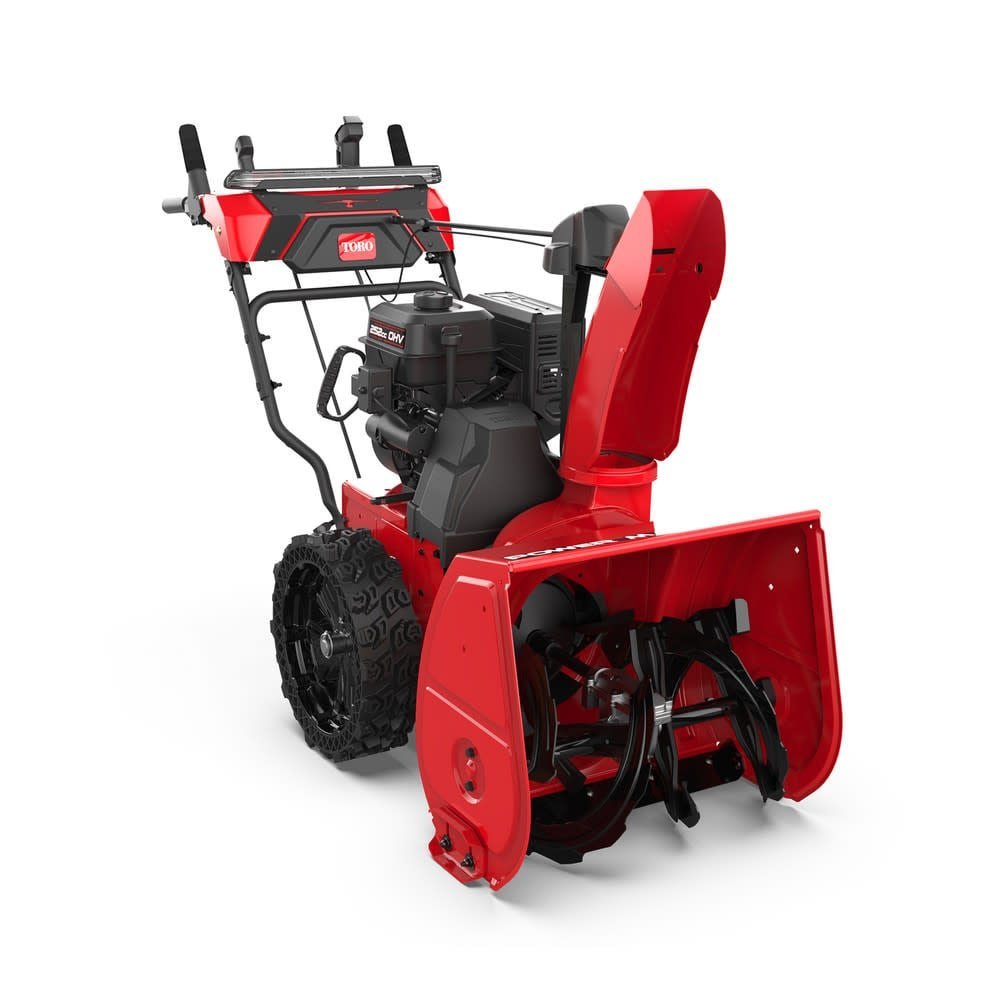
A good clearing pattern can make snow removal more predictable and reduce unnecessary reversing or repeated passes. The best route depends on driveway shape, wind direction, where snow can be discharged safely and where snow will accumulate. Plan the route before starting the machine rather than deciding where to throw snow while moving.
Start with a quick site check
Move vehicles, bins and loose items out of the clearing path. Identify drains, steps, edging, garden beds, low walls and other obstacles that may be hidden under snow. Choose a discharge direction that does not send snow toward people, roads, windows, doors, parked cars or neighboring property. Follow local rules about clearing snow from sidewalks and public paths.
Think about wind and discharge direction
Wind can carry discharged snow back across a cleared area or toward a location you intended to keep open. Where the machine’s controls allow it, plan a discharge direction that works with the wind while keeping people and property clear. Do not point the chute at anyone or operate near bystanders. Check the manual for the chute and deflector adjustment range.
Plan the first pass and the return route
On many rectangular driveways, operators choose a route that moves snow toward an edge and avoids trapping the machine behind a growing pile. A center-out, edge-first or perimeter approach may work depending on the width and where snow can be stored. There is no single route for every driveway. Keep a clear path to turn and avoid sending a second pass into a pile that is already too high for the machine.
Manage the end-of-driveway berm
Snow pushed by road plows can be denser than freshly fallen snow. It may need smaller, slower passes and careful attention to the machine’s rated capacity. Avoid forcing the auger into a compacted berm. Follow the machine manual and stop if the equipment struggles, vibrates or makes an unusual sound.
Leave a safe finish
Check that entrances, steps and walking routes are clear without pushing snow into roads or blocking drainage. Shut the machine down using the proper procedure before removing debris or making adjustments. CPSC’s snow blower safety advice reminds operators not to use their hands to clear a discharge chute.
When comparing equipment, consider driveway length, clearing width and the space available for snow storage. Browse Armley snow blowers and outdoor equipment for model specifications.
Plan snow storage before the storm
Where snow is placed during each pass matters over the course of a winter. A pile that starts at the edge of the driveway can grow until it blocks sightlines, narrows parking space or prevents water from draining. Choose a storage area that does not obstruct sidewalks, road visibility, access to meters or utility equipment, or neighboring property. Check local rules for sidewalks and snow placement, especially where the driveway meets a public street.
On a sloped driveway, work out where snow can be discharged without allowing it to slide back across the cleared path. Avoid standing below a pile that may collapse or directing snow toward a road or passing vehicles. If the wind changes, reassess the chute direction. A route that works on a calm morning may create poor visibility or drifting when wind picks up later in the day.