

Blog
After-Use Snow Blower Care: Checks to Make Between Storms

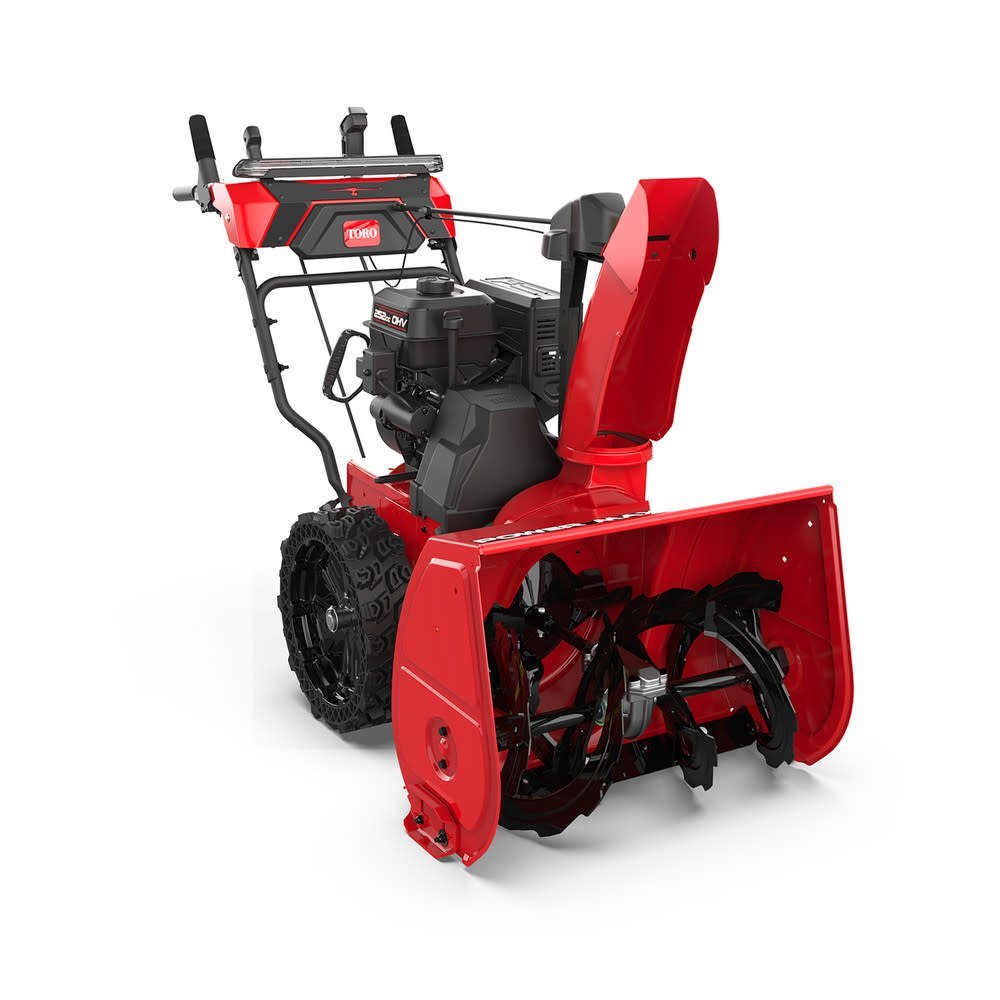
Snow blowers often get stored while snow and slush are still packed around the housing, controls or drive components. A short inspection after each use can help identify issues before the next storm. Always follow the machine’s owner’s manual: models differ in their shutdown, cleaning and storage procedures.
Shut down before touching the machine
Disengage the auger and drive, shut off the engine or disconnect the power source, remove the key where fitted and wait for all moving parts to stop. Do not place hands near the auger or impeller to remove packed snow. Use only the clean-out tool and procedure approved by the manufacturer.
Remove residue and allow the machine to dry
After the machine is safely stopped, clear loose snow from accessible exterior surfaces using the method recommended in the manual. Do not spray water into electrical components, bearings, controls or areas where the manufacturer warns against moisture. Let the machine dry in a well-ventilated storage location. Avoid placing a wet machine beside a heat source or flame.
Inspect wear and controls
- Look for visible damage to the auger housing, chute, deflector and guards.
- Check skid shoes and scraper bars for uneven wear.
- Look for damaged wiring, loose connectors or battery latches on electric models.
- Check tires or tracks for visible damage and debris.
- Note unusual vibration, noise, difficulty steering or reduced discharge performance.
Check fuel and batteries according to the manual
Gasoline-powered machines have model-specific fuel and storage recommendations. Battery-powered machines have charging, temperature and storage instructions for their battery system. Do not assume a fuel stabilizer, battery charge percentage or storage interval is the same for every model. Use the manufacturer’s instructions and approved accessories.
Choose a suitable storage location
Store the machine where it is protected from rain and snow, away from ignition sources and where children cannot access controls or moving parts. Keep fuel in approved containers according to local fire-safety guidance. Do not leave a running snow blower in an enclosed area because exhaust can create a carbon-monoxide hazard.
When to arrange service
Stop using the machine if a safety device is damaged, a control does not work correctly, the auger or drive behaves unexpectedly, or a part appears bent or cracked. Follow the owner’s manual for service intervals and have repairs completed by a qualified technician when needed.
Compare models and listed maintenance information in the Armley outdoor equipment collection.
Follow the service schedule, not guesswork
After-use care is different for gas and battery-powered models. Gas machines may have scheduled oil checks or changes, spark-plug inspection, fuel-system care and shear-pin inspection. Battery models have battery-terminal, charger and pack-storage instructions. The correct intervals depend on the machine, operating hours and conditions. Use the maintenance chart in the owner’s manual and record service dates so seasonal checks are not missed.
Keep replacement shear pins, approved hardware and other model-specific service parts identified before winter begins. Do not replace a shear pin with a generic bolt unless the manufacturer expressly specifies that part; the pin is intended to protect the drive system under certain impact conditions. If a pin breaks repeatedly, stop and investigate for an obstruction or mechanical problem rather than installing stronger hardware.