

Blog
Cold-Weather Battery Care for Cordless Snow Blowers

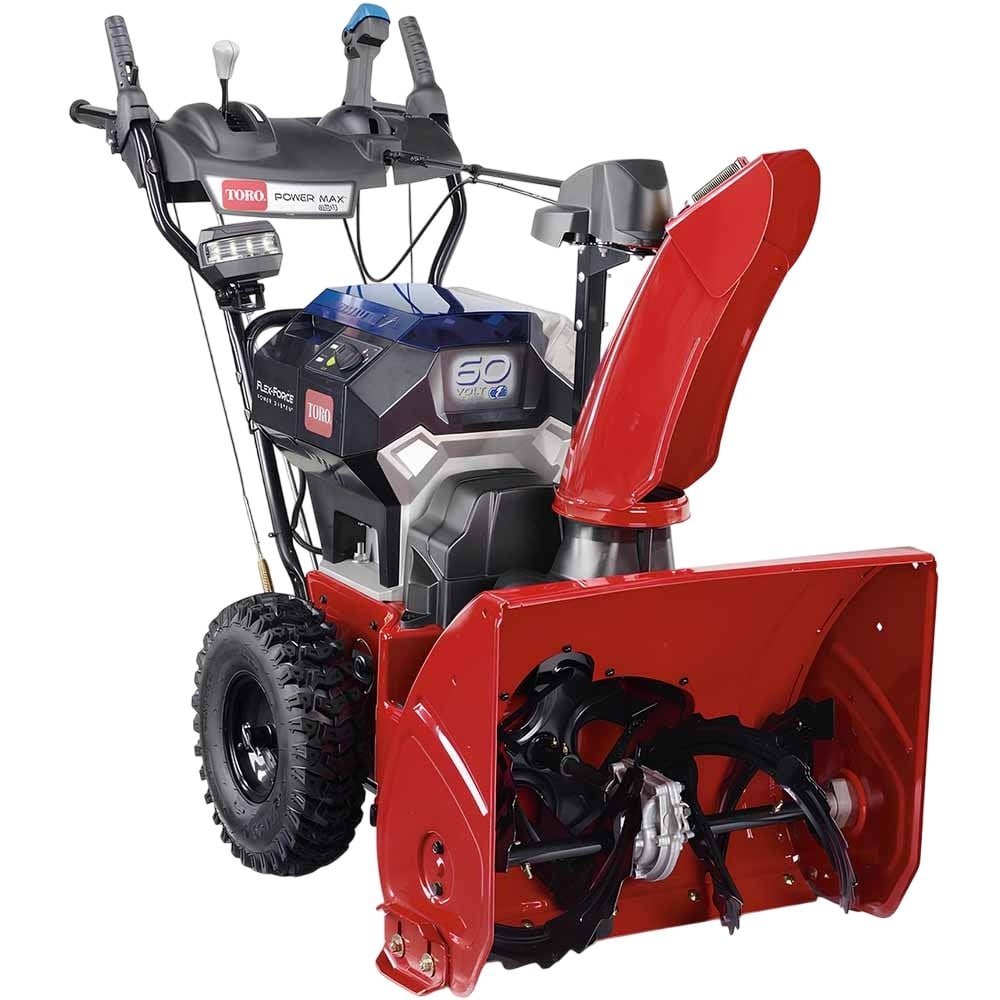
Cold temperatures can change how a cordless snow blower battery performs. Runtime, charging behavior and storage requirements depend on the battery chemistry, model and manufacturer. A good routine begins with the battery owner’s instructions rather than a universal temperature or charging rule.
Understand the battery system
Check the voltage platform, battery capacity, charger model and any compatibility notes for your snow blower. Some product packages include a battery and charger, while others may be tool-only. Confirm what is included before buying and do not assume batteries from different brands or product families are interchangeable.
Store batteries in the conditions specified by the maker
Many battery manufacturers recommend storing packs in a dry indoor location within a defined temperature range. Avoid leaving batteries for long periods in a freezing vehicle or in direct sun. Keep battery contacts clean and protected from metal objects, moisture and impact. Use the supplied protective cap or storage case where provided.
Charge at the approved temperature
Do not force a battery to charge when it is outside the charger’s permitted temperature range. Let the pack return to the temperature recommended in its manual before charging. Use the compatible charger and a suitable indoor outlet. Do not modify a charger, use a damaged cable or leave charging batteries in an area where they may be exposed to water or excessive heat.
Plan runtime realistically
Battery runtime can vary with snow depth, snow type, clearing width, operator pace, surface conditions and temperature. Heavy or wet snow can demand more power than light snowfall. If you regularly clear a large area, compare battery capacity, the number of batteries supplied and the manufacturer’s runtime guidance. Treat published runtime as an estimate, not a guaranteed result for every property.
Inspect before and after use
Check the battery pack for cracks, swelling, damaged contacts or signs of moisture. Do not use a damaged battery. Make sure it locks into the machine properly and that the charger indicator behaves as explained in the manual. If the pack becomes unusually hot, emits an odor or behaves abnormally, stop using it and contact the manufacturer.
Armley Bigdiscount lists several battery and gas snow blower options. Compare the exact battery, charger and tool-only configuration shown on each product page.
Plan for the job, not a headline runtime figure
When comparing cordless snow blowers, note whether the advertised runtime refers to one battery, a specific operating mode or a test under particular conditions. Clearing width, snow depth, snow density, travel pace, temperature and the condition of the battery all affect actual performance. A large driveway may require a spare compatible battery or a different machine class, but the decision should be based on the maker’s guidance and the space you need to clear.
Before the first snowfall, label and organize compatible battery packs and chargers so the correct system is easy to identify. Do not mix battery platforms based only on similar voltage or connector appearance. If a pack has been stored in a cold location, follow the manufacturer’s temperature instructions before charging or operating it. Keep battery contacts dry and avoid carrying loose packs with metal tools or keys that could bridge the terminals.