

Blog
Trailer Ramp Gate vs. Portable Ramps: What Should You Compare?

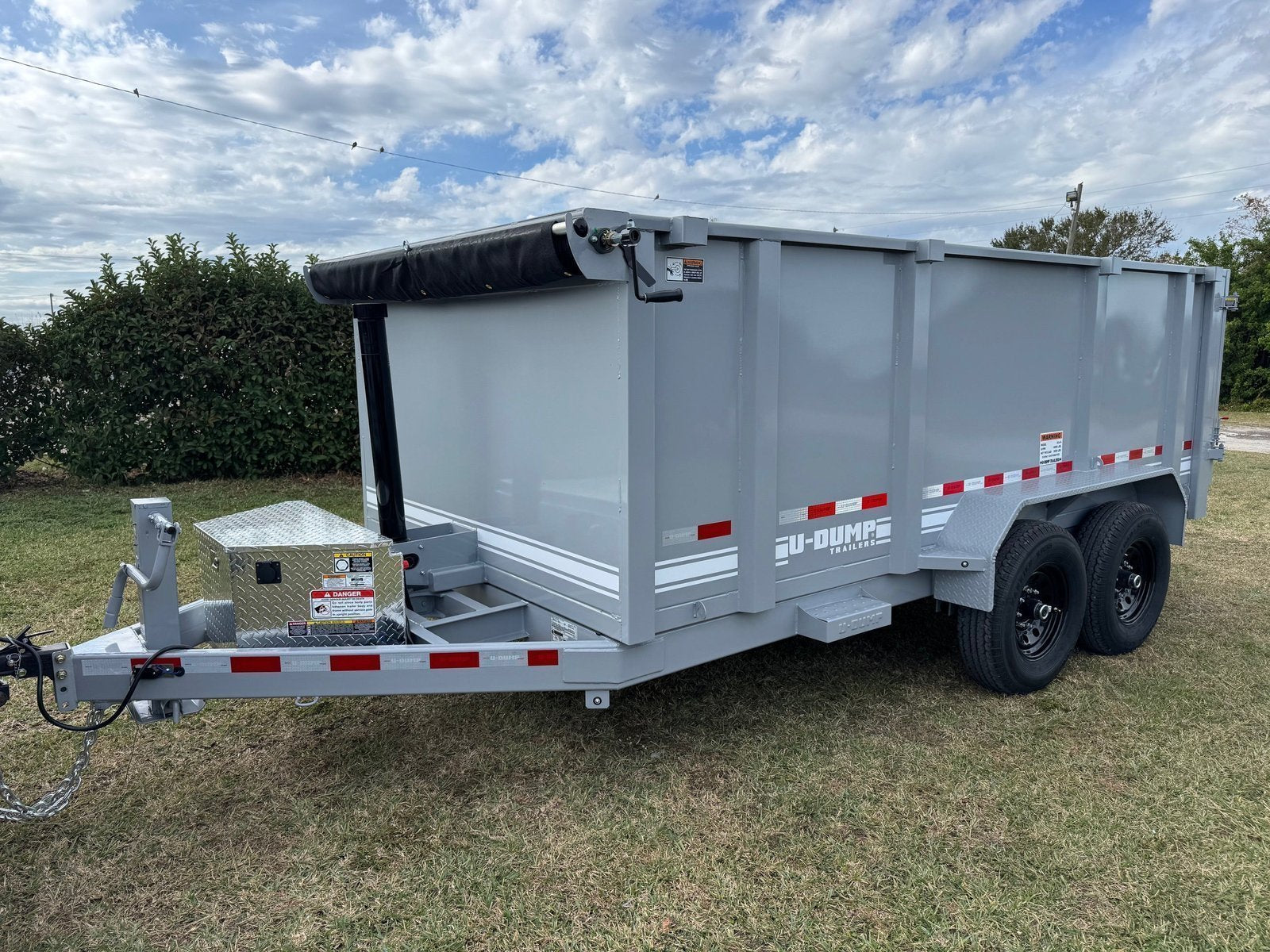
Loading equipment onto a trailer requires a stable path from the ground to the deck. Some trailers use a built-in ramp gate; others are designed for separate portable ramps. Each option has trade-offs in storage, access, loading angle and compatibility with the equipment you carry.
Built-in ramp gates
A ramp gate is attached to the trailer and folds or pivots into a storage position. It can be convenient because the loading surface is always with the trailer. Check the gate’s width, length, hinge design, latch system and stated load rating. Some gates are intended for specific types of equipment and may not be suitable for every machine or wheel arrangement.
Portable ramps
Portable ramps can be removed and stored separately, which may suit trailers that do not have an integrated gate. They can offer flexibility in length or width, but they must be correctly matched to the load, trailer deck height and loading surface. Check whether the ramps lock or attach to the trailer deck and whether the manufacturer requires a particular orientation.
Compare loading angle and ground conditions
A short ramp can create a steep approach angle, which may be a problem for low-clearance equipment. A longer ramp can reduce the angle but needs more ground space and secure support. Wet grass, gravel, mud or snow can affect traction. Never load on unstable ground or use a ramp that shifts under the load.
Verify weight ratings and compatibility
- Ramp or gate rated capacity for the actual wheel/track configuration.
- Deck height and available loading space.
- Ramp width compared with the equipment’s wheelbase or track width.
- Attachment points, pins, straps and latches.
- Clearance beneath the machine at the breakover point.
- Safe storage position so the ramp cannot fall or swing while towing.
Use the manufacturer’s loading method
Keep people clear of the ramp path, use a spotter when visibility is limited and follow the equipment and trailer manuals. Do not exceed a ramp’s rating or drive equipment onto a ramp that is not secured. If the ramp’s capacity or compatibility is unclear, ask the trailer maker before use.
Armley Bigdiscount lists several trailer styles. Compare the specific ramp or gate details in each product description.
Check the approach angle and landing area
Ramp length matters because it influences the angle between the ground and the trailer deck. A steep angle can cause low-clearance equipment to contact the ramp crest or trailer tail. Measure deck height and the equipment’s approach and departure clearances, then compare them with the ramp geometry. If the product listing does not show ramp length or angle, ask for the specification before choosing.
The ground beneath the ramp must be firm, level and suitable for the load. Gravel, mud, snow or a sloped driveway can allow a ramp to shift or sink. Follow the trailer and ramp maker’s instructions for pins, hooks, straps and support. Keep bystanders away from the loading route, use a spotter if visibility is restricted, and never stand directly below equipment that could roll back.