

Blog
Snow Blower Chute Clogs: Causes, Prevention and Safe Clearing

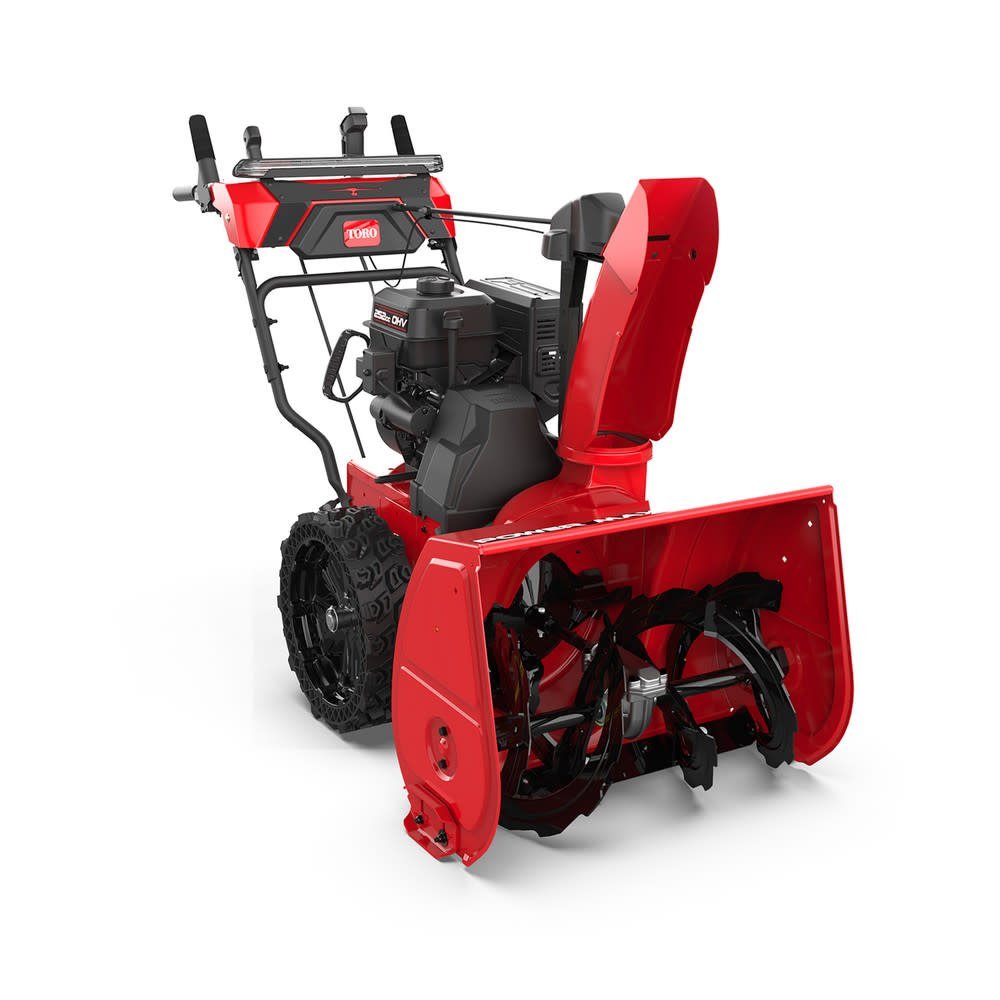
A snow blower chute can clog when wet snow, slush or debris packs inside the discharge passage. A blockage interrupts the snow stream and can tempt an operator to reach toward moving parts. The safest response is to stop the machine completely, follow the model’s manual and use only the manufacturer-approved clean-out tool. Never put a hand into the chute or auger housing.
Why snow blower chutes clog
Heavy, wet snow is more likely to stick to the chute and impeller than dry powder. Repeated passes through deep snow, packed slush near the end of a driveway, leaves, gravel or other debris can also slow the discharge. A worn scraper bar, damaged components or a chute that is not moving freely may make clearing less consistent, so inspect the machine when it is shut down.
Reduce the chance of a blockage
- Clear snow in manageable passes instead of forcing the machine through a deep pile in one go.
- Work at a pace suited to the snow depth and the machine’s capacity.
- Use the chute direction and deflector settings described in the owner’s manual.
- Remove loose leaves, sticks and other debris from the area before starting.
- Check that the chute, deflector and controls move freely while the machine is off.
- Follow the manufacturer’s advice on approved chute treatments; avoid improvised coatings or lubricants that may damage plastic or painted surfaces.
Safe steps when the chute blocks
Release the drive and auger controls, shut the engine off or disconnect the power source, remove the ignition key or safety key where fitted, and wait until all moving parts have stopped. Follow the exact shutdown and clearing procedure in the manual for your model. Use the supplied clean-out tool or another tool expressly recommended by the manufacturer. Keep hands and feet away from the auger and impeller, even after the machine has been switched off.
The U.S. Consumer Product Safety Commission specifically warns against clearing a snow thrower with your hands and recommends stopping the engine and using a long stick or the approved clean-out tool. Read its snow blower safety guidance.
Inspect before restarting
Once the blockage is removed, check for visible damage, bent parts or debris still trapped in the housing. Refit guards and tools as instructed, make sure people are clear of the discharge area, and restart only when the manual says it is safe. If the chute repeatedly blocks or the machine vibrates unusually, stop using it and arrange inspection by a qualified service provider.
Choosing equipment for the conditions
Snow type, driveway size, clearing width, power source and maintenance requirements all matter when comparing machines. A larger model is not automatically the right choice for every property. Review the specifications and the operator’s manual for each product. Browse Armley Bigdiscount outdoor equipment and compare the details for the specific snow blower you are considering.
Why repeated clogs deserve attention
If the chute blocks repeatedly in ordinary conditions, do not keep clearing it and immediately restarting without checking the cause. The discharge opening, impeller area, chute rotation mechanism and related components may need inspection. A damaged or worn component can affect how snow moves through the machine. Stop using the equipment if you notice unusual vibration, grinding, bent metal, a loose guard or a control that does not return normally. Do not attempt repairs while the engine is running or the battery is connected.
Snow texture also changes through a storm. Light snow early in the day can become heavier as temperatures rise, while road-end piles may contain compacted snow and debris. Adjust the clearing plan to the conditions and use the machine within the capacity described by its manufacturer. A wider machine is not automatically more suitable for wet, dense snow; compare intake design, power, operating instructions and maintenance requirements for the exact model.