

Blog
Greenhouse Shade Cloth: How to Choose Shade Percentage and Placement

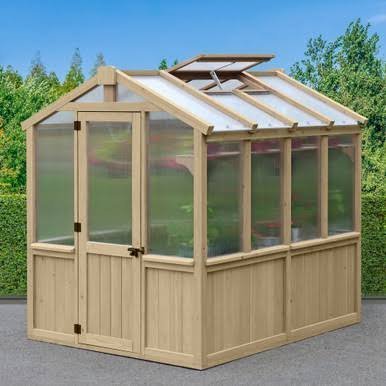
Shade cloth can help manage strong sunlight and heat inside a greenhouse, but the right level of shade depends on the plants, climate, glazing and ventilation. A cloth that is helpful for one crop may reduce useful light too much for another. Start by observing the greenhouse through the warmest part of the day and checking the light needs of the plants you intend to grow.
What shade percentage means
Shade cloth is commonly sold by a percentage that describes the amount of sunlight it is designed to block under specified conditions. It is a product rating, not a direct promise of a particular greenhouse temperature. The result also depends on the fabric, color, installation, glazing, sun angle, airflow and local weather.
Match shade to the plants
Light-loving vegetables, seedlings, leafy greens and shade-tolerant ornamentals can have different requirements. Research the needs of the crops you grow and avoid applying a single shade percentage to every greenhouse. If you grow several plant types, place more light-sensitive plants where they receive appropriate protection without shading the entire structure unnecessarily.
Choose the placement
External shade can intercept sunlight before it passes through the glazing, while internal shade can be easier to fit on some structures but may allow more heat to enter before shading the plants. Follow the greenhouse and shade-cloth manufacturers’ installation guidance. Check that the cloth does not block vents, doors, gutters or moving roof components.
Plan for changing seasons
Sun angle and day length change through the year. A setup that works in midsummer may be too dark in spring or autumn. If the cloth is removable or retractable, plan a safe way to adjust it without climbing on the greenhouse or placing stress on panels and frames.
Before you install
- List the plants and their light requirements.
- Observe the strongest sun exposure and hot spots.
- Check how the greenhouse glazing already filters light.
- Confirm the shade cloth’s stated percentage and material.
- Keep vents and doors fully usable.
- Secure the cloth as directed so wind cannot pull on the frame.
For product selection, compare greenhouse size, panel type and ventilation features in the Armley greenhouse collection. Use the exact structure’s assembly and accessory documentation when choosing a shade system.
Extension guidance on shade cloth
University extension guidance notes that shade percentage should not be treated as the same percentage of temperature reduction. The result depends on cloth type, placement, ventilation and crop. The Alabama Cooperative Extension greenhouse-environment guide discusses internal and external shade and how plant needs affect the choice.
Watch the plants, not only the thermometer
Signs of excess light or heat can include leaf scorch, wilting during the hottest part of the day, or plants that stop growing as expected. These symptoms can also have other causes, including watering and root problems, so compare conditions over several days before changing the shade setup. A simple thermometer at plant height and notes about the time of day can help reveal where heat builds up.
Shade cloth should be considered alongside ventilation rather than as a replacement for it. Extension guidance points out that shade percentage does not translate directly into the same percentage of temperature reduction; material, color, placement and airflow all affect the result. The Alabama Cooperative Extension guide provides more detail on shade placement and crop considerations.