

Blog
Ventilation and Condensation in Metal Garages: Practical Planning Tips

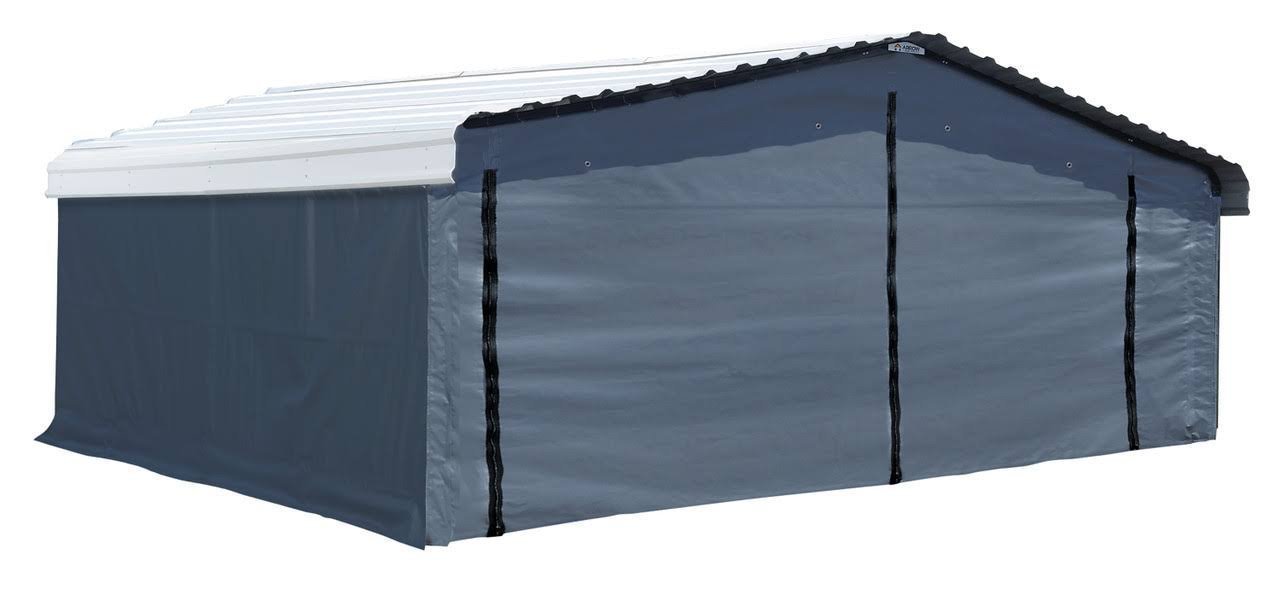
Condensation can form inside a metal garage when humid air meets a cooler roof, wall or stored surface. It may appear as droplets on panels, damp patches or moisture around stored equipment. The right approach depends on the building design, climate, how the garage is used and whether water is entering from outside.
Separate condensation from leaks
Condensation often appears over a broad area or during rapid temperature changes, while a roof or wall leak may produce a more localized wet spot after rain. Check gutters, flashing, fasteners, door seals and the base of the structure. Repair water entry before treating the problem as humidity alone.
Plan air exchange
Ventilation openings can help exchange humid indoor air with outdoor air, but their location and size should follow the building design. Keep vents clear and do not block them with storage, insulation or equipment. If considering powered fans, choose equipment suitable for the environment and have electrical work completed according to local code.
Reduce moisture sources
Wet vehicles, snow-covered equipment, damp cardboard and stored liquids can add moisture to the air. Allow equipment to drain and dry where practical. Keep soil and standing water away from the garage base, and maintain gutters and downspouts so runoff is directed away from the building.
Use insulation and vapor-control systems carefully
Insulation can change the temperature of interior surfaces, but incorrect installation may trap moisture. The right insulation and vapor-control approach varies with climate and wall/roof assembly. Use a system approved for the building and seek qualified advice before adding layers that could affect ventilation or condensation behavior.
Protect stored items
Keep tools and equipment off damp floors where possible. Use suitable shelving and leave space around walls to allow air movement. Check stored items periodically, especially after prolonged cold or wet weather.
When comparing a garage kit, review panel details, ventilation options and assembly requirements in the Armley garages and carports category. Do not assume every steel building has the same vent arrangement.
Plan ventilation around what the garage stores
A garage used only for parking may have different moisture sources from one used as a workshop or equipment-storage space. Wet vehicles, snow blowers, pressure washers, gardening supplies and fuel-powered machinery can all add moisture or fumes. Ventilation should be designed for the actual use, and it does not make it safe to run an engine or fuel-burning appliance in an enclosed space.
Do not cut openings into a metal wall or roof without the building maker’s approval. Openings can affect structural panels, bracing, weather seals and the building’s ratings. Use vents or fans that are compatible with the structure, and have electrical installation completed to local code by a qualified professional. For moisture problems, first check for roof or wall leaks and blocked drainage so ventilation is not being used to mask water entry.