
Blog
Single-Stage vs. Two-Stage Snow Blowers: A Practical Comparison

The choice between a single-stage and two-stage snow blower is not simply about buying the larger machine. It is about matching the design to the surface, snowfall, driveway size and effort you are prepared to manage.
How a single-stage machine works
A single-stage snow blower uses its auger to gather snow and propel it through the discharge chute. These machines are commonly considered for smaller areas and lighter to moderate clearing needs, but each model has its own limits. Check the manufacturer’s guidance for surface compatibility, snow depth and operating conditions.
How a two-stage machine differs
A two-stage design uses an auger to collect snow and a separate impeller to discharge it. Many models are built for larger areas and deeper or heavier conditions. They may also include drive systems and controls that make moving a larger machine more manageable. Features vary by model, so compare specifications rather than assuming every two-stage unit is identical.
Comparison checklist
- Driveway area and number of passes
- Paved, gravel or mixed surfaces and the correct skid-shoe setup
- Typical snow depth, moisture and frequency
- Machine width, intake height and storage footprint
- Self-propelled drive, chute controls, lights and maintenance access
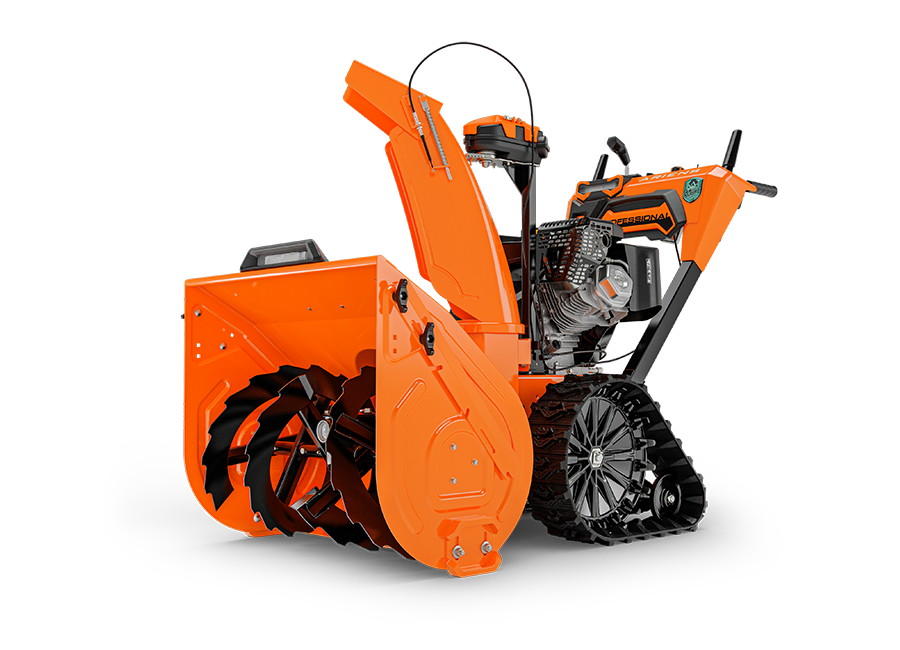
A single-stage model such as the Toro Power Clear 721 E can be a useful comparison point. For a larger two-stage option, review the Ariens 28-inch Professional model. Confirm the exact model’s operating limits and included equipment.
Make the choice with your property in mind
Measure the areas you clear and consider where snow must be thrown. Then compare the product details in our outdoor equipment range and read the snow blower buying guide.