

Blog
Snow Blower Safety: 9 Checks Before Clearing Snow

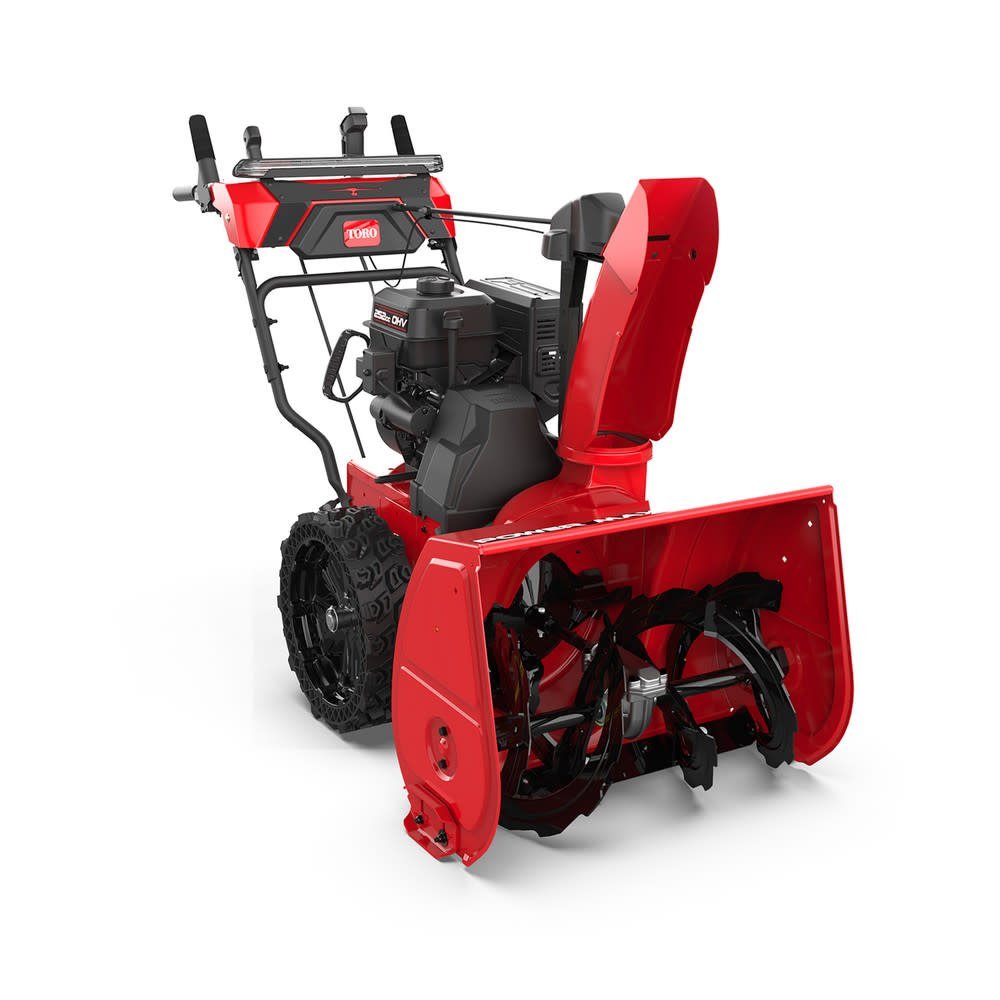
A snow blower can make winter cleanup easier, but it is powered equipment with moving parts, hot surfaces and, on gas models, fuel and exhaust. Read the operator’s manual for your exact model before the season begins and follow its safety instructions every time you use the machine.
1. Read the model-specific operator’s manual
Controls, safety devices, starting procedures and clearing tools vary by model. Learn the location of the shutoff control and the manufacturer’s recommended procedure for stopping the machine before using it.
2. Inspect the machine before starting
Check the housing, auger area, chute, handles, controls, guards, fasteners, tires or tracks, electrical cords and battery pack as applicable. Do not operate equipment with missing guards, damaged parts or controls that do not work correctly.
3. Dress for the conditions
Wear suitable footwear with traction, eye protection and clothing that cannot become caught in moving parts. Keep hands and feet away from the intake and discharge areas. Avoid loose scarves or dangling clothing.
4. Keep people and pets clear
Check the work area for people, pets, stones, toys, branches and other objects that could be picked up or thrown. Direct the discharge away from people, windows, vehicles and areas where debris could cause damage.
5. Never clear a clog by hand
This is one of the most important rules. The U.S. Consumer Product Safety Commission warns against putting hands into a snow blower discharge chute. If snow or debris blocks the machine, follow the manufacturer’s shutdown procedure, wait until all moving parts have stopped, and use only the cleanout tool specified for the model. CPSC safety information is available at Snow Thrower Safety.
6. Refuel safely
For gas equipment, shut the engine off and allow it to cool before refueling. Never add gasoline to a running or hot engine. Store fuel in an approved container and away from ignition sources. Never run a gas snow blower inside a garage or other enclosed space because exhaust can contain carbon monoxide.
7. Use extra care on slopes and uneven ground
Follow the model’s surface and slope recommendations. Change direction carefully, maintain secure footing and avoid operating where the machine cannot be controlled safely. Do not use a snow blower on a roof or elevated surface unless the manufacturer explicitly designs it for that purpose.
8. Disconnect power before maintenance
Before inspecting, cleaning or servicing a battery or corded machine, follow the manual’s procedure for removing the battery or disconnecting the power source. For gas models, follow the manufacturer’s instructions to prevent accidental starting.
9. Stop if conditions become unsafe
Poor visibility, ice, fatigue, damaged equipment or unfamiliar operating conditions are reasons to stop and reassess. OSHA’s winter weather safety guidance also covers powered snow-removal equipment and related hazards.
Choose equipment and use it responsibly
Armley Bigdiscount carries snow blowers from brands including Toro and EGO. Compare the outdoor equipment collection, then read the exact model manual before operation. This article is general information and does not replace manufacturer instructions or professional training.