

Blog
Snow Blower Skid Shoes and Scraper Bars: What They Do and When to Adjust

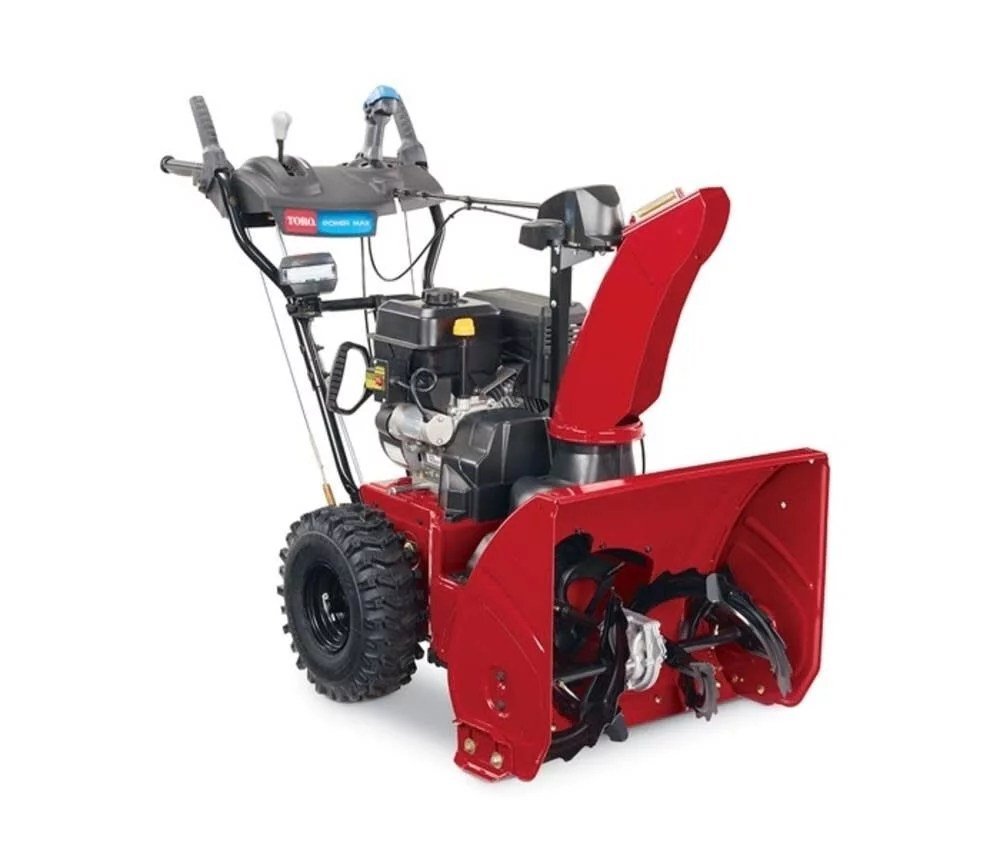
Skid shoes and scraper bars sit near the lower edge of many snow blowers, but they do different jobs. The skid shoes help control the distance between the machine housing and the surface. The scraper bar helps clear snow close to the ground. Knowing how they work can help you compare machines and recognize when a part needs inspection.
What skid shoes do
Skid shoes support the sides of the auger housing and help it glide over the driveway. Their position influences how close the housing runs to the surface. The correct setting depends on the machine design and the surface being cleared. A paved driveway, gravel lane and uneven stone path can call for different clearances, so do not copy an adjustment from another model.
What the scraper bar does
The scraper bar is the replaceable wear edge along the bottom of the housing on many models. It helps remove snow from the surface as the machine moves. Contact with concrete, asphalt, gravel or raised joints gradually wears it. A bar that is worn unevenly or damaged may not clear consistently and should be checked against the manual’s service guidance.
Signs that these parts need attention
- The machine leaves an unusually thick layer of snow on a surface it previously cleared more closely.
- The housing scrapes or catches on pavement joints, stones or raised edges.
- A skid shoe looks cracked, bent or significantly thinner than the other side.
- The scraper bar is worn unevenly or has visible damage.
- The housing sits unevenly when the machine is parked on a level surface.
Why surface type matters
On a smooth paved surface, the manual may specify a smaller clearance. On gravel or rough ground, more clearance may be needed to reduce the chance of picking up stones. Too much clearance can leave more snow behind; too little can cause scraping or contact with the surface. Use the settings and measurement method specified for your machine.
Before making an adjustment
Park on a level surface, shut the machine down, remove the key or disconnect the power source, and wait until moving parts stop. Follow the manufacturer’s instructions for lifting, blocking and adjustment. Use the correct hardware and torque guidance, and replace worn components with parts approved for the model. Never reach into the auger housing while the machine is running.
Compare specifications before you buy
Skid-shoe material, adjustment style and replacement-part availability can differ across models. Read the product details and owner’s manual for the exact machine. Browse Armley outdoor equipment to compare snow blower models and their listed specifications.
Wear, replacement and surface protection
Skid shoes may be made from steel, polymer or another manufacturer-specified material. The choice can affect wear and how the housing interacts with the surface, but compatibility and adjustment range are more important than choosing a material based on a general rule. Some machines use reversible or replaceable shoes; others have model-specific hardware. Confirm the correct part number before ordering replacements.
On gravel, a small amount of clearance may help reduce stones entering the auger area, but it can leave a visible layer of snow behind. On smooth pavement, a closer setting may improve clearing if the manual allows it and the surface is even. Raised seams, cracked concrete and loose pavers change the risk. Check the driveway itself as well as the machine, and adjust only within the settings approved for that model.