

Blog
Snow Blower Maintenance Before the First Winter Storm

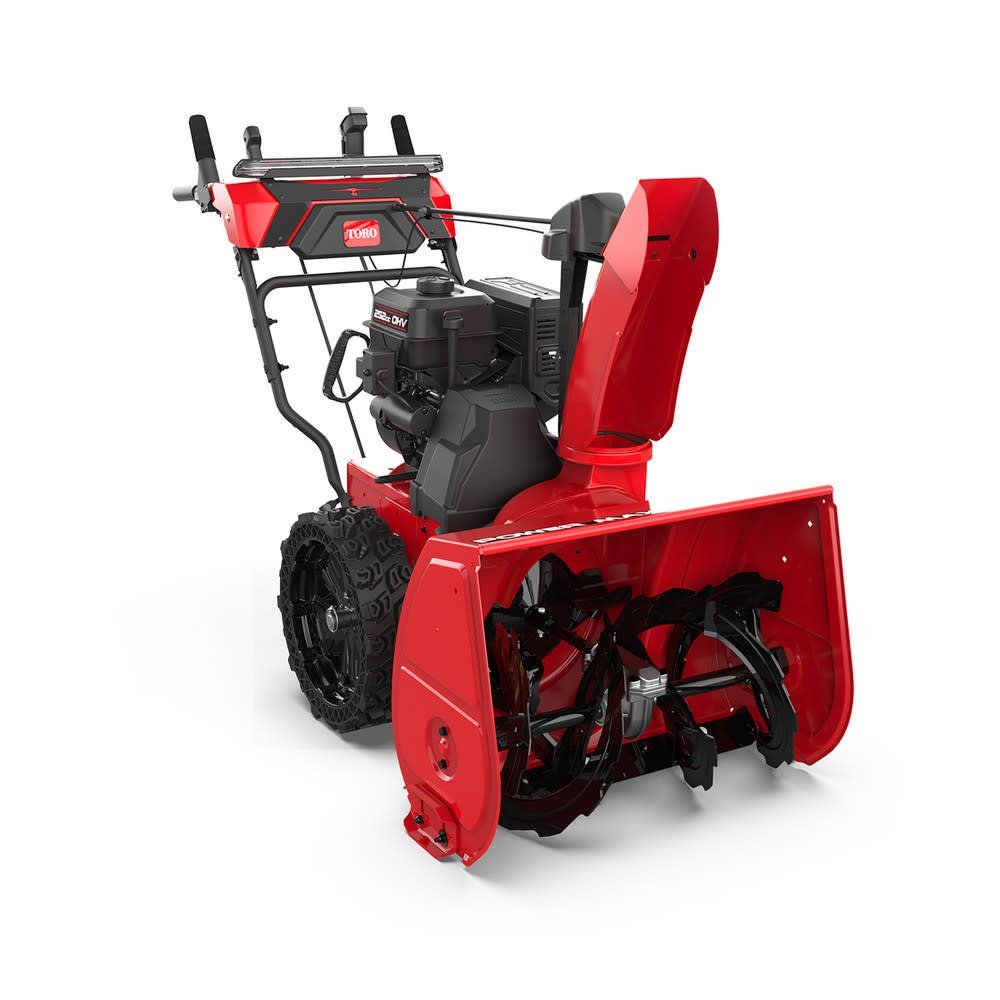
A snow blower that has been stored for months deserves an inspection before the first storm. A short pre-season check can reveal worn parts, stale fuel, damaged wiring or controls that need attention before snow is on the ground.
Start with the owner’s manual
Maintenance intervals and procedures vary by model. Use the manual for the correct oil, fuel, spark plug, belt, lubrication and adjustment specifications. Do not substitute a generic interval or fluid recommendation for the manufacturer’s instructions.
Inspect the machine
- Look for loose fasteners, cracks, corrosion and damaged guards
- Check scraper bars, skid shoes, paddles or auger components as applicable
- Inspect tires, tracks and wheel hardware
- Check the discharge chute and control linkages for free movement
- Inspect cables, switches, battery connections and electrical cords where fitted
Prepare the power system
For gas models, inspect fuel condition and follow the manual’s instructions for fresh fuel, oil level and starting. Refuel outdoors with the engine stopped and cool. For battery models, inspect packs and contacts, charge only as directed and check that the correct battery configuration is available.
Test safely before snowfall
Move the machine to an open, well-ventilated outdoor area. Keep people and pets away from the discharge direction. Test controls only as described in the manual, and stop the machine if you hear unusual noises, notice vibration or see a leak. Never run a gas snow blower in a garage or enclosed space.
OSHA’s winter weather precautions and the CPSC’s snow thrower safety guidance provide additional reminders about powered equipment and jam clearing.
Find the right equipment
If your current machine is no longer suitable, compare the snow blower range at Armley Bigdiscount and revisit our off-season storage checklist.